When homeowners plan large residential concrete projects, one of the first questions that comes up is the cost of a 2,000 square foot concrete slab. This size slab is commonly used for large garages, workshops, home additions, shop buildings, or extended drive and parking areas. Because of the size involved, pricing can vary widely depending on how the slab is designed and installed.
This article answers one specific question: how much it costs to pour a 2,000 square foot concrete slab. Rather than blending in smaller slab examples or general pricing rules, this guide focuses on the unique cost drivers associated with slabs of this size and what homeowners should understand before approving estimates.
Why a 2,000 Square Foot Slab Is Considered a Large Project
At https://tacomaconcretecontractors7.wordpress.com/2026/02/10/how-much-does-a-contractor-charge-to-pour-concrete-in-tacoma-wa/ 2,000 square feet, a concrete slab moves beyond small residential work and into large-pour territory. Projects of this size require additional planning, coordination, and risk management compared to patios or small pads.
Mistakes on large slabs are amplified. Poor preparation, uneven thickness, or rushed finishing can affect hundreds of square feet rather than a small isolated section. For this reason, contractors approach 2,000 square foot slabs differently than smaller pours.
Average Cost Range for a 2,000 Square Foot Concrete Slab
For most residential applications, the total cost for a 2,000 square foot concrete slab typically falls within the following general ranges:
- $10,000–$18,000 for a basic slab with standard preparation $16,000–$28,000 for reinforced or load-bearing slabs
These ranges reflect professional installation, proper base preparation, and standard finishing. Homeowners working with experienced concrete contractors should expect pricing that prioritizes long-term performance over minimal installation.
Concrete Volume Required for a 2,000 Square Foot Slab
Concrete cost is driven heavily by volume. A 2,000 square foot slab at four inches thick requires approximately 24.7 cubic yards of concrete. Increasing thickness to five or six inches significantly raises material volume and cost.
Because of this, even small thickness changes on a slab of this size can add thousands of dollars to the final price.
How Thickness Affects Total Cost
Thickness decisions are critical on large slabs. While four inches may be sufficient for light-duty applications, slabs designed for vehicles, equipment, or storage often require additional thickness.
Increasing slab thickness improves load capacity and crack resistance but also increases material, labor, and finishing time.
Preparation Costs on Large Slabs
Preparation is one of the largest cost components for a 2,000 square foot slab. Excavation, grading, gravel installation, and compaction must be uniform across the entire footprint.
Inconsistent preparation leads to differential settlement, which is one of the most common causes of cracking on large slabs.
Professional concrete company crews include thorough preparation in their pricing because repairs on slabs of this size are expensive and disruptive.
Reinforcement and Structural Requirements
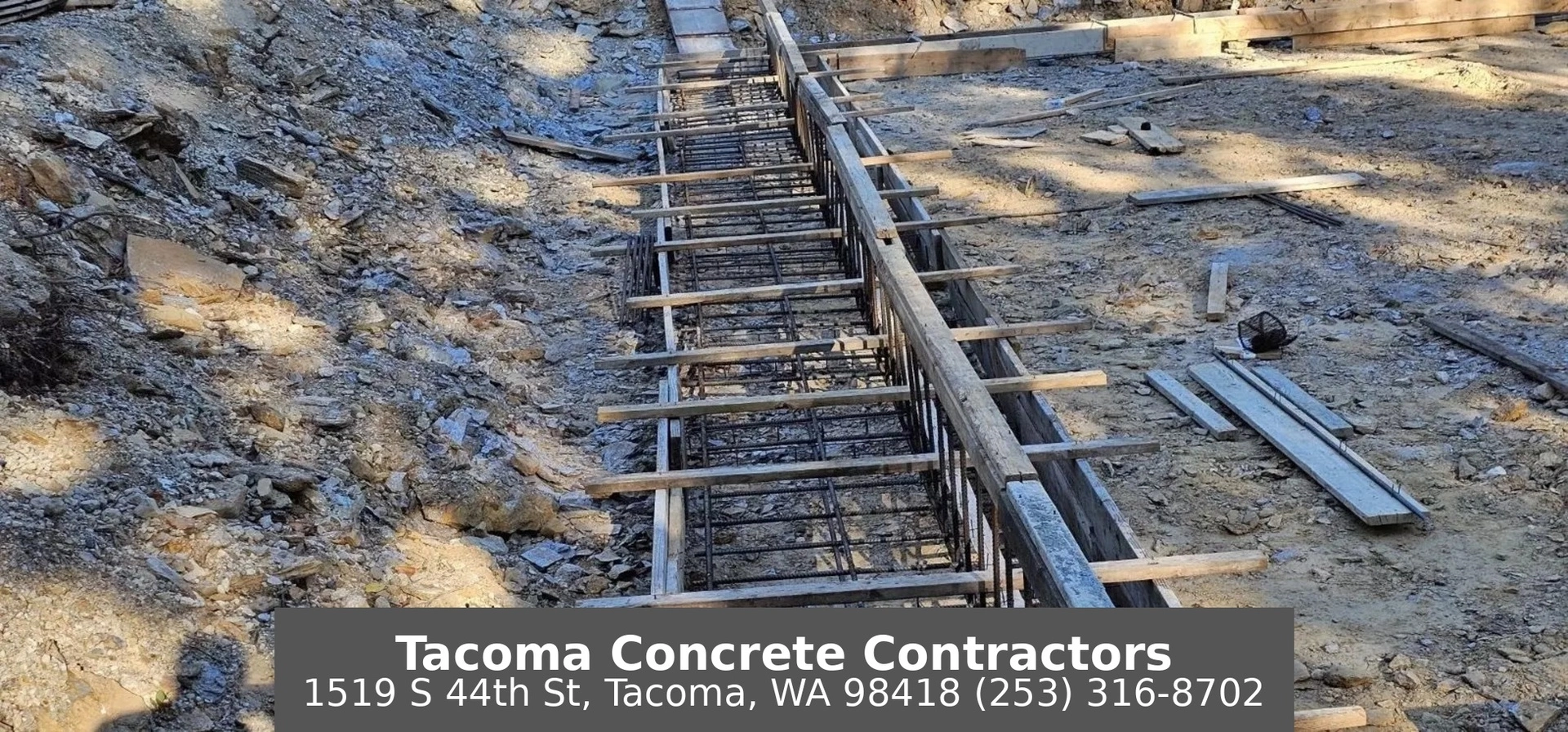
Reinforcement plays a larger role on large slabs. Rebar spacing, wire mesh, or fiber reinforcement help distribute loads and manage shrinkage stress.
Guidance published by the American Concrete Institute explains how reinforcement improves performance on expansive slabs. These standards help justify higher upfront costs for reinforced installations.
Joint Layout and Crack Control
Concrete naturally shrinks as it cures. On a 2,000 square foot slab, uncontrolled shrinkage leads to random cracking.
Proper joint layout directs cracking to planned locations. Joint planning adds labor but protects appearance and performance.
Labor and Crew Size Considerations
Large slabs require more workers operating simultaneously. Crews must place, level, edge, joint, and finish concrete within a limited time window.
Larger crews increase labor cost but reduce the risk of uneven curing and surface defects.
Access and Placement Challenges
Site access plays a major role in pricing. Long distances from the concrete truck to the pour area require additional labor or pumping equipment.
Limited access increases placement time and coordination complexity.
Scheduling Risk on Large Slabs
A 2,000 square foot slab often requires multiple concrete trucks and precise timing. Delays can lead to cold joints or inconsistent curing.
Contractors price this risk into large projects because failure affects a large surface area.
Why Large Slabs Cost Less Per Square Foot but More Overall
Larger slabs benefit from some efficiency in setup and mobilization. This can slightly reduce the per-square-foot cost.
However, total cost increases substantially due to material volume, labor coordination, and risk management.
Evaluating Estimates for a 2,000 Square Foot Slab
Homeowners should review estimates carefully. A quality estimate outlines thickness, preparation depth, reinforcement type, joint layout, and curing methods.
Vague estimates often omit steps that affect long-term performance.
Choosing the Right Contractor for a Large Slab
Large slab projects require experience and planning. Homeowners should verify licensing and insurance before approving any estimate.
In Washington, contractor credentials can be verified through the Washington State Department of Labor & Industries to ensure compliance and protection.
Working with a reputable concrete contractors Tacoma homeowners trust reduces risk on large pours.
Frequently Asked Questions About 2,000 Square Foot Concrete Slabs
Is a 2,000 square foot slab considered residential or commercial?
Many residential projects reach this size, but construction standards often resemble light commercial work.
Can a slab this large be poured in one day?
Yes, but it requires proper crew size and coordinated deliveries.
Does reinforcement always increase cost?
Yes, but it also significantly improves durability and crack resistance.
How long before a large slab can support vehicles?
Light use may be allowed after several days, but full curing takes approximately 28 days.
Final Thoughts on the Cost of a 2,000 Square Foot Concrete Slab
A 2,000 square foot concrete slab is a major investment. Understanding what drives cost helps homeowners evaluate estimates and avoid shortcuts.
Quality installation focuses on preparation, reinforcement, and coordination rather than simply minimizing upfront cost.
Tacoma Concrete Contractors
Phone: (253) 316-8702
Service Area: Tacoma, WA
Website: https://tacomaconcretecontractors.com/
Google Maps: https://maps.app.goo.gl/6izj2i3eSdA6KMxg6